🌿 Eco-Friendly Pest Exclusion Tools for Condominium Owners
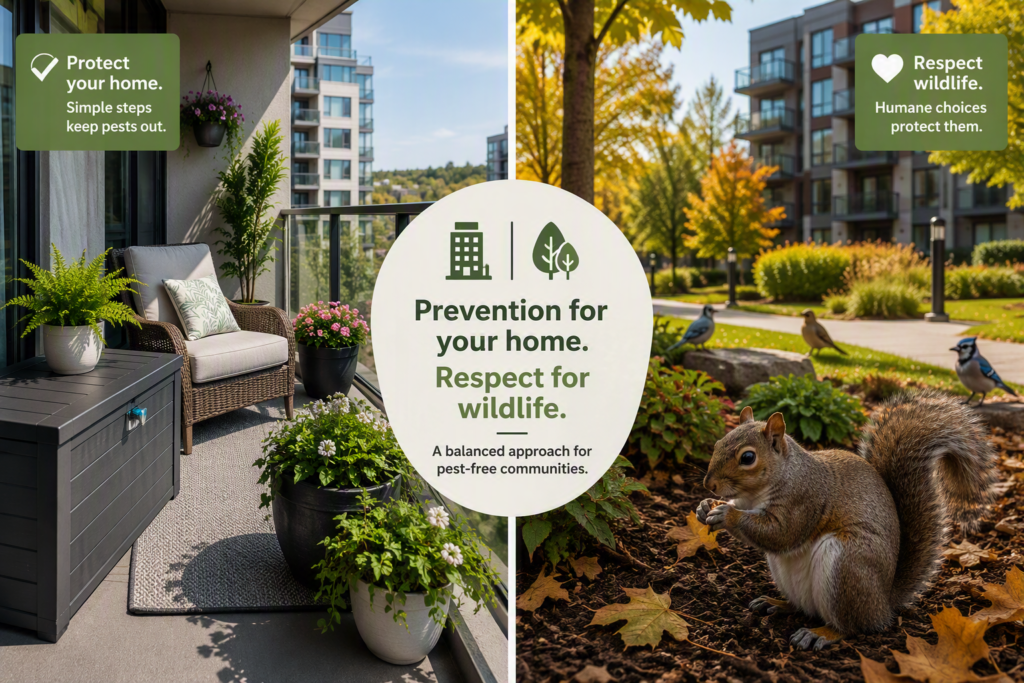
If your goal is to keep pests out while minimizing environmental impact and avoiding unnecessary harm to wildlife, consider these eco-friendly exclusion tools and practices.
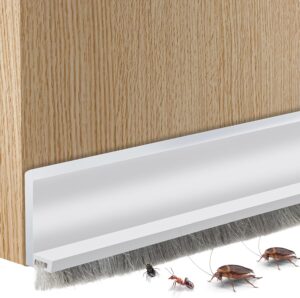
🚪 Door Sweeps and Weather Stripping
One of the simplest and most effective solutions.
✅ Blocks mice, insects, and drafts
✅ Reduces heating and cooling costs
✅ Non-toxic and long-lasting
Best for: High-rise unit doors, townhouse entry doors, garages, storage rooms.
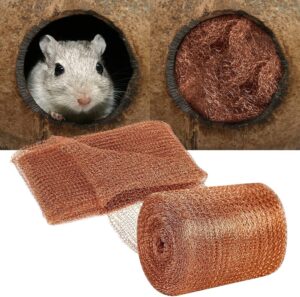
🕸️ Stainless Steel Mesh and Copper Mesh
Used to seal small openings around pipes, vents, and utility penetrations.
✅ Durable and rust-resistant
✅ Prevents rodents from chewing through openings
✅ No chemicals or poisons required
Best for: Utility access points and gaps around plumbing.
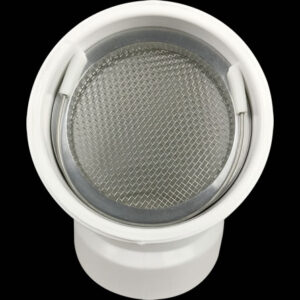
🪟 Fine Mesh Screens
Install or repair screens on:
- Windows
- Balcony doors
- Soffit vents
- Dryer vents (remember you need to clean these of lint!!)
- Fresh air intakes
✅ Prevents insects from entering ✅ Allows natural airflow ✅ Reusable and low-maintenance
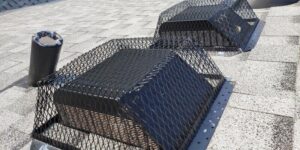
🦝 Wildlife-Proof Vent Covers and Chimney Caps
These devices prevent wildlife from entering while allowing proper ventilation.
✅ Stops squirrels, birds, raccoons, and bats from nesting
✅ Long-term solution
✅ Humane prevention
Best for: Townhouse units and detached homes within vacant land condominium communities.
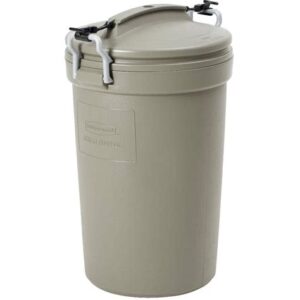
🗑️ Wildlife-Resistant Waste Containers
Improper waste storage is a major pest attractant.
Look for:
✅ Locking lids
✅ Animal-resistant latches
✅ Durable construction
This helps deter rodents, raccoons, wasps, and other scavengers.
🌱 Natural Landscaping Barriers
Strategic landscaping can reduce pest activity.
Consider:
🌿 Lavender
🌿 Mint (in containers)
🌿 Rosemary
🌿 Citronella grass
🌿 Marigolds
While no plant is a miracle solution, these can help discourage certain insects and contribute to overall integrated pest management.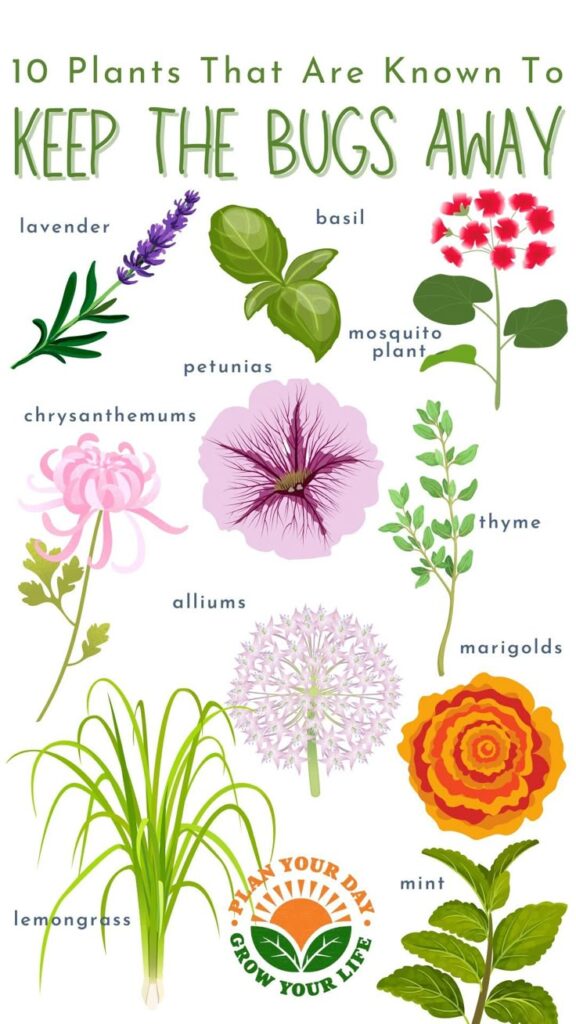
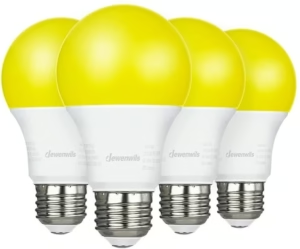
💡 Yellow “Bug” Light Bulbs
For balconies, patios, and exterior entrances, if your Corporation permits.
✅ Attract fewer flying insects
✅ Energy-efficient LED options available
✅ Reduce insect congregations near doors
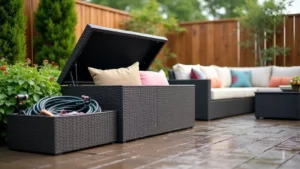
🪣 Integrated Balcony Storage Solutions
Using sealed outdoor storage boxes helps prevent:
🐜 Ant infestations
🕷️ Spider nesting
🐭 Rodent harborage
Choose weather-resistant containers made from recycled materials when possible.
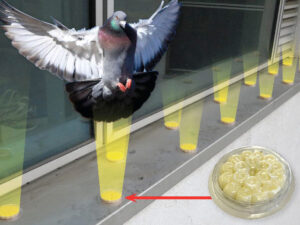
🐦 Bird Deterrents That Do Not Harm Wildlife
Instead of spikes or trapping, consider:
✅ Visual deterrents (eg. Optical gel, Old CDs, pinwheels, etc)
✅ Angled ledge covers
✅ Regular cleaning of nesting materials (where legally permitted)
The goal is to make the area less attractive without injuring birds.
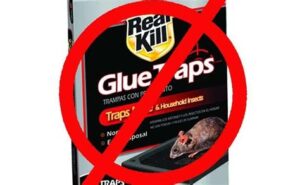
🚫 What to Avoid
Many traditional pest-control products can affect non-target species, pets, and the environment.
Avoid relying solely on:
❌ Glue traps
❌ Outdoor poisons
❌ Broad-spectrum insecticide spraying
❌ Wildlife feeding deterrents that cause harm
❌ Homemade toxic mixtures
These methods often address symptoms rather than the reason pests arrived.
🏢 The Best Eco-Friendly Pest Tool?
A building with no easy food, water, or shelter.
The most successful condominium pest management programs combine:
✅ Good sanitation
✅ Routine maintenance
✅ Rapid reporting of issues
✅ Building envelope repairs
✅ Humane exclusion techniques
✅ Professional monitoring when needed
When communities focus on prevention first, they typically experience fewer pest issues, lower control costs, and less impact on local wildlife. 🍂🐿️🏘️
Condo Management Tip: For every dollar spent on exclusion and prevention, a corporation can often avoid significantly higher costs associated with recurring pest treatments, resident complaints, and damage repair later on. Prevention is both the greenest and most cost-effective solution. 🌱
If it’s a little too late to JUST apply prevention, take a read through our Fall Pest Control blog