
Seasonal Pest Management in Your Condo Community
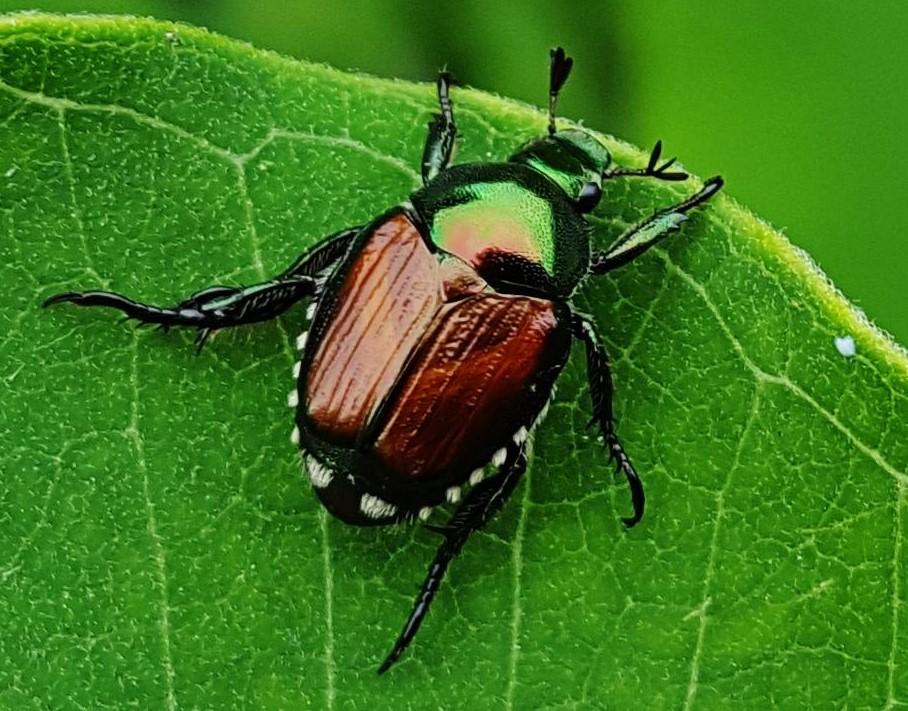
What You Need to Know About Japanese Beetles & Other Summer Pests
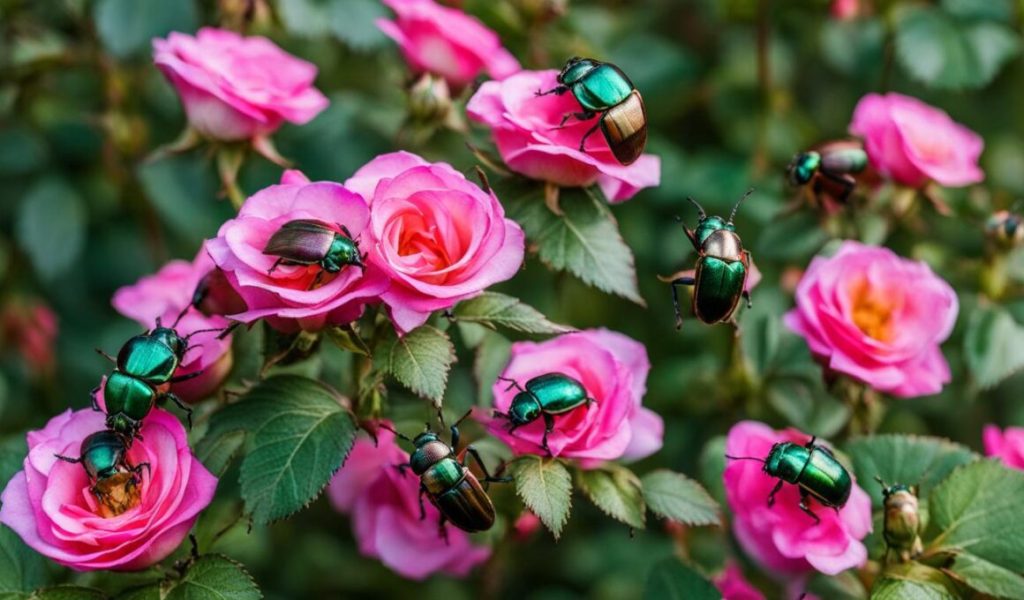
Summer is a beautiful time for our community gardens and landscaped areas, but it is also the season when pests become most active. One insect that has become increasingly common in Ontario is the Japanese beetle. While these beetles do not bite or pose a danger to people, they can cause significant damage to flowers, trees, shrubs, and vegetable gardens.
By working together, residents and property management can help keep our grounds healthy and attractive all season long.
🐞 DID YOU KNOW? 🐞
Quick Facts About Japanese Beetles
💡 Japanese beetles can eat over 300 different species of plants!
🌹 Their favorite targets include roses, hibiscus, linden trees, grapes, and fruit trees.
👥 Japanese beetles release a scent that attracts other beetles, which is why you often see them feeding in large groups.
🐛 The immature stage, known as a grub, lives underground and feeds on grass roots, potentially causing brown patches in lawns.
📅 Adult Japanese beetles are most active in Ontario from late June through August.
🚫 They do not bite, sting, or spread disease to humans or pets, but they can cause significant damage to gardens and landscaping.
🕊️ Hand-picking beetles early in the morning is one of the most effective non-chemical control methods for small infestations.
🌿 A healthy, well-maintained landscape is often more resilient and better able to recover from beetle damage.
🔍 How to Identify a Japanese Beetle
Look for These Characteristics:
✅ Metallic green body
✅ Copper-bronze wing covers
✅ Approximately 1 cm long
✅ Often found feeding in groups
Signs of Damage
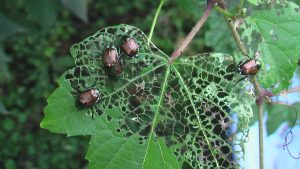
🌿 Leaves appear “skeletonized” with only veins remaining.
🌹 Flowers have ragged petals and chewed edges.
🍃 Plants may look browned or stressed after heavy feeding.
Condo Tip: Japanese beetles are often most active from late June through August.
📸 What Japanese Beetle Damage Looks Like
| Healthy Leaf | Beetle Damage |
|---|---|
 |
 |
🌺 Plants Most Commonly Affected
Japanese Beetles Love:
🌹 Roses
🍇 Grapevines
🌺 Hibiscus
🌳 Linden Trees
🌿 Virginia Creeper
🍎 Fruit Trees
🥬 Vegetable Gardens
If you have these plants on your balcony or terrace, inspect them regularly throughout the summer.
🏢 Why Condo Communities Attract Japanese Beetles
Condominium properties often provide ideal conditions for Japanese beetles because of:
✅ Beautiful ornamental gardens
✅ Well-maintained lawns
✅ Irrigated landscape beds
✅ Abundant flowering plants
Since adult beetles can fly easily between properties, infestations often spread from parks, golf courses, neighboring gardens, and agricultural areas.
✔ What Residents Can Do
1️⃣ Inspect Plants Weekly
Check balcony planters and gardens for:
🔎 Chewed leaves
🔎 Beetle clusters
🔎 Damaged flowers
🔎 Signs of plant stress
2️⃣ Remove Beetles by Hand
For smaller infestations:
🪣 Knock beetles into a container of soapy water.
🌅 Remove them early in the morning when they are less active.
This simple method can reduce damage significantly.
3️⃣ Keep Plants Healthy
Healthy plants recover more easily from pest damage.
Remember:
💧 Water appropriately
✂️ Remove dead foliage
🌱 Avoid excessive fertilizing
🪴 Inspect new plants before bringing them home
4️⃣ Avoid Unapproved Pest Treatments
⚠️ Before applying pesticides in condominium areas, ensure products are approved and used according to the manufacturer’s directions.
Improper applications can affect:
🐝 Pollinators
🐶 Pets
👨👩👧👦 Neighbours
🌳 Shared landscaping
General Summer Pest Prevention Checklist
Help Prevent:
🐜 Ants
🐝 Wasps
🦟 Mosquitoes
🐞 Japanese Beetles
🐭 Rodents
Resident Checklist
✅ Keep balconies tidy
✅ Remove food debris promptly
✅ Dispose of garbage properly
✅ Eliminate standing water
✅ Store pet food securely
✅ Keep screens in good repair
✅ Report pest concerns early
When to Contact Property Management
Please notify management if you notice:
📍 Significant damage to common-area landscaping
📍 Large groups of Japanese beetles
📍 Lawn areas showing grub damage
📍 Pest issues affecting multiple units
Early reporting helps landscaping and pest management professionals respond quickly and effectively.
🌟 Condo Manager’s Corner
The earlier a pest issue is reported, the easier it is to manage. If you notice unusual damage to common-area plants, trees, or gardens, please notify the Condo Management Office so it can be assessed promptly. Together, we can protect the beauty and health of our community landscaping. 🌳🏢✨
Working Together for a Healthy Community
Protecting our landscaping and outdoor spaces is a shared responsibility. Through early detection, proper maintenance, and prompt reporting, residents can play an important role in minimizing pest activity and preserving the beauty of our condominium community.
Thank you for helping keep our community healthy, beautiful, and enjoyable for everyone.
🌿 Natural Ways to Help Repel Japanese Beetles
If you prefer environmentally friendly approaches, several natural methods may help reduce Japanese beetle activity around balcony gardens, patios, and landscaped areas.
🌱 Companion Plants That May Deter Beetles
Consider incorporating plants that are less attractive to Japanese beetles or may help discourage feeding:
- Garlic
- Chives
- Catnip
- Tansy
- Marigolds
- Geraniums
Note: No plant is guaranteed to repel all beetles, but a diverse garden can help reduce pest pressure.
🌿 Neem Oil
Neem oil is a plant-based product derived from the neem tree.
✅ Can help reduce feeding activity
✅ Considered less harmful to beneficial insects when used properly
✅ Best applied according to label directions during cooler parts of the day
⚠️ Avoid spraying when pollinators are actively visiting plants.
🧄 Homemade Garlic Spray
Some gardeners use garlic-based sprays to discourage beetles.
Simple Recipe:
- 2 bulbs of garlic
- 1 litre of water
- Blend, strain, and dilute before use
Spray lightly on foliage, avoiding flowers whenever possible.
🍃 Hand Picking
The most effective natural control method for small infestations.
Tip: Remove beetles early in the morning and place them in a bucket of soapy water.
Because Japanese beetles release pheromones that attract others, removing the first beetles can help limit larger infestations.
🦜 Encourage Natural Predators
Nature can assist with pest control.
Beneficial predators include:
- Birds
- Toads
- Certain beneficial insects
A healthy landscape with diverse plantings supports natural pest management.
🚫 Skip Beetle Traps Near Gardens
Although Japanese beetle traps catch large numbers of beetles, they can sometimes attract more beetles than they capture when placed too close to landscaped areas.
If traps are used, they should be located well away from gardens, patios, and common landscaped spaces.
🌟 Eco-Friendly Pest Control Tip
A combination of regular inspection, hand-picking, healthy plants, and natural deterrents is often more effective than relying on a single solution.
Early action can prevent small numbers of beetles from becoming a larger problem later in the season.
Remember: Before applying any pest control product in a condominium community, residents should follow all label directions and ensure use complies with condominium rules and local regulations. 🏢🌿🐞
📚 Helpful Resources
🇨🇦 Canadian Food Inspection Agency (CFIA)
Japanese Beetle Information
🔗 https://inspection.canada.ca
🌳 Landscape Ontario
Gardening and Pest Management Resources
🔗 https://landscapeontario.com
⚕️ Health Canada Pest Management Regulatory Agency
Approved Pest Control Products
🔗 https://www.canada.ca/en/health-canada/services/consumer-product-safety/pesticides-pest-management.html
🏢 Condominium Authority of Ontario
Resources for Condo Communities
🔗 https://www.condoauthorityontario.ca